Wage Garnishment
The automatic stay can stop wage garnishment after a case is filed, although exceptions apply. Timing can matter when money is already being withheld. Learn more about bankruptcy and the automatic stay.

Get straightforward guidance about Chapter 7, Chapter 13, wage garnishment, creditor lawsuits, foreclosure, repossession, and overwhelming debt from an experienced Arizona bankruptcy attorney.

If you are comparing bankruptcy lawyers in Phoenix, you are probably looking for clear answers about what bankruptcy can do, what property may be protected, and what happens next.
Casey Yontz has spent more than 18 years working with individuals and families facing serious debt problems in Arizona. His bankruptcy experience includes Chapter 7, Chapter 13, wage garnishments, creditor lawsuits, foreclosure concerns, vehicle debt, exemption planning, and other issues that can affect what happens before and after a bankruptcy case is filed.
The goal is practical advice, not a sales pitch. Casey reviews the financial facts, explains what bankruptcy can and cannot accomplish, and helps clients understand the decisions ahead. Virtual consultations are available, as are in-person meetings when helpful. Learn more about Casey Yontz and Yontz Law.
People usually contact Yontz Law because a specific financial problem needs an answer. Whether bankruptcy helps and which chapter may fit depends on the debt, timing, income, assets, and the result you need.
The automatic stay can stop wage garnishment after a case is filed, although exceptions apply. Timing can matter when money is already being withheld. Learn more about bankruptcy and the automatic stay.
A pending lawsuit, judgment, bank levy, or collection deadline can affect the available strategy. Filing generally pauses many collection proceedings, but the underlying debt and any exceptions still need review. See how bankruptcy may affect lawsuit debt.
Qualifying credit-card balances are often treated as unsecured debt and may be discharged in Chapter 7 or addressed through a Chapter 13 plan. Recent charges and cash advances can require closer review.
Medical bills and collection accounts are commonly unsecured debts. Bankruptcy may provide relief when those balances have grown beyond what a household can realistically repay.
Bankruptcy can sometimes stop or delay a foreclosure. Depending on the facts, Chapter 13 may provide a structured way to catch up on mortgage arrears while maintaining ongoing payments.
Chapter 7 and Chapter 13 treat vehicle loans differently, and filing does not guarantee that every vehicle can be kept. Chapter 13 may allow some borrowers to cure missed payments or, when the requirements are met, use a vehicle cramdown.
Personal guarantees, business credit cards, leases, and lines of credit can follow an owner after a business slows or closes. The documents, collateral, co-signers, and nature of each debt need individual review.
The right chapter turns on more than the amount owed. Income, property, payment history, secured debt, and the goals for a home or vehicle all matter.
Chapter 7 can discharge many qualifying unsecured debts without a repayment plan, often within several months.
Chapter 13 uses a three-to-five-year plan and may help address certain secured debts while a filer keeps eligible property.
What about Chapter 11? Chapter 11 may be considered by businesses and, less commonly, by individuals who need reorganization but do not fit Chapter 13. Casey can help identify whether that more complex path warrants further analysis.
Short excerpts from client feedback. Names may be shortened for privacy.
“You made the whole process less scary… thx for calming my anxiety.”
— Tish
“Very professional, knowledgeable and organized. We highly recommend his work!”
— Paul & Maria
“He walked me step by step… explained every option… never made me feel stupid for asking questions.”
— Melanie
“My creditors stopped harassing me, my home was saved, and I finally feel hopeful about my future again.”
— Sarah
A consultation begins with the immediate problem and a dependable picture of your finances. Contacting the firm does not commit you to filing.
Submit a consultation request or call the office to get started.
Discuss the collection pressure, debts, property, and result you need.
Compare Chapter 7, Chapter 13, and realistic nonbankruptcy options.
Collect the information needed to evaluate eligibility and prepare accurate papers.
If bankruptcy is the right path, the case can be prepared and filed after the required information is complete.
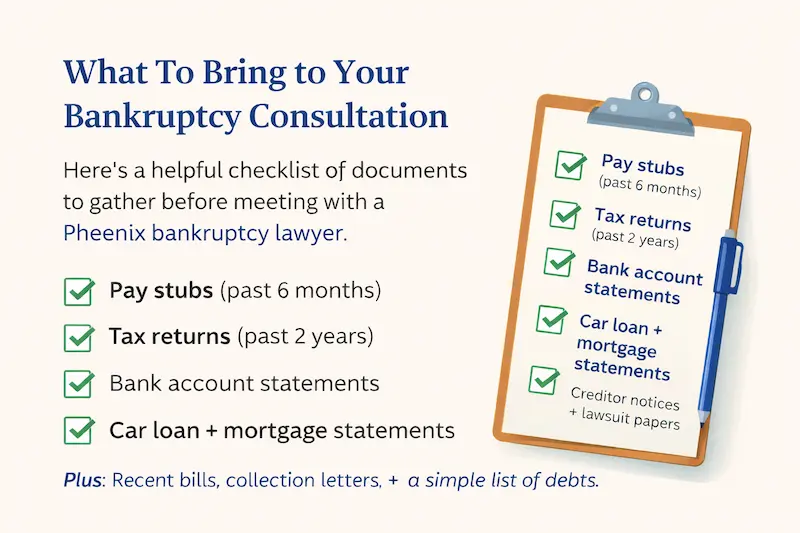
You do not need perfect paperwork to begin. If available, gather recent income records, a creditor list, collection or lawsuit papers, housing and vehicle balances, bank statements, and the most recent tax return. These documents help Casey identify issues and give more reliable guidance.
National financial publications have asked Casey Yontz to explain bankruptcy, creditor protection, student loans, foreclosure, and other consumer-debt issues.
U.S. News & World Report quoted Casey on student-loan disability discharge, including why borrowers with private student loans need to examine their loan contracts and lender policies rather than assume federal discharge rules apply.
Read Casey Yontz's comments in U.S. News & World ReportYahoo Finance featured Casey's explanation of when creditors can and cannot reach money held in a 401(k), including ERISA protections, ordinary judgment creditors, IRS collection, domestic-support orders, and what can happen after retirement funds are withdrawn.
Read Casey Yontz's comments on Yahoo FinanceDebt.org asked Casey to explain what consumers should expect after filing bankruptcy, including Chapter 7 and Chapter 13 timelines, debtor-education requirements, and situations where complicated finances or valuable assets require particular care.
Read Casey Yontz's comments on Debt.orgCasey discussed how Chapter 7 and Chapter 13 can affect mortgage eligibility, including obtaining a mortgage during an active Chapter 13 case and rebuilding a borrower's credit profile after bankruptcy.
Read the article at BetterMoneywise turned to Casey for Arizona-specific analysis of HOA foreclosure law, including when unpaid assessments can support foreclosure and how Arizona's statutory thresholds have changed.
Read the Arizona HOA foreclosure articleUse these focused resources to understand Arizona rules and prepare better questions for a consultation.
Yontz Law's office is located at 4425 E Agave Rd., Suite 106, Phoenix, AZ 85044. Call 480-886-0339. Virtual consultations are available for people across Arizona, and in-person meetings are available when helpful.
The firm serves individuals and families in Phoenix and other Arizona communities. Explore local information for:
Interactive map loads on click to keep the page fast.
Bankruptcy can make sense when debt payments, lawsuits, wage garnishments, or repossession threats are no longer manageable. The quickest way to decide is to look at your goals (protecting income, keeping a car or home, stopping collection pressure), your monthly budget, and the types of debts you have. In a Phoenix bankruptcy consultation, we usually start with a clear snapshot of income, debts, and assets so you can compare bankruptcy to realistic alternatives and choose the best next step.
In many cases, yes. Filing typically triggers the automatic stay, which generally pauses most collection activity, including wage garnishments and many lawsuits. Timing matters in Phoenix, especially if a garnishment is already hitting your paycheck or a court deadline is approaching, so it's smart to get advice before another pay period or hearing date passes. Some situations have exceptions, and creditors may need proper notice.
Often, yes, especially when there's a clear plan. Whether you can keep your home or car depends on your equity, your payment status, and which chapter you file. Arizona's exemption rules also play a big role. A consultation usually focuses on your liens, payoff amounts, and whether the right strategy is to protect the asset, catch up on arrears, or restructure payments.
It depends on how quickly accurate information can be gathered, but many filings can move quickly once the essentials are collected. If you're dealing with a wage garnishment, a bank garnishment, a pending lawsuit, or a trustee sale date, the priority is to gather a reliable snapshot (income, debts, and key documents) so you don't lose time to avoidable delays. If time is critical, say so right away so the next steps can be prioritized.
You don't need perfect paperwork. The most helpful items are recent pay stubs (or other income proof), a list of creditors or collection letters, any lawsuit or garnishment documents, and basic housing/vehicle payment details. If you have your most recent tax return, that can help with planning. The goal is a dependable snapshot so you can get clear answers without a lot of back-and-forth.
Talk with Yontz Law about the debt problem you are facing, the options that may be available, and the information needed to decide on a practical next step.
We work with individuals and families in the Phoenix metro area and in communities across Arizona. In office, phone and virtual appointments are available. Choose a city below to find local bankruptcy guidance, common issues we often see in that area, and practical next-step resources.
